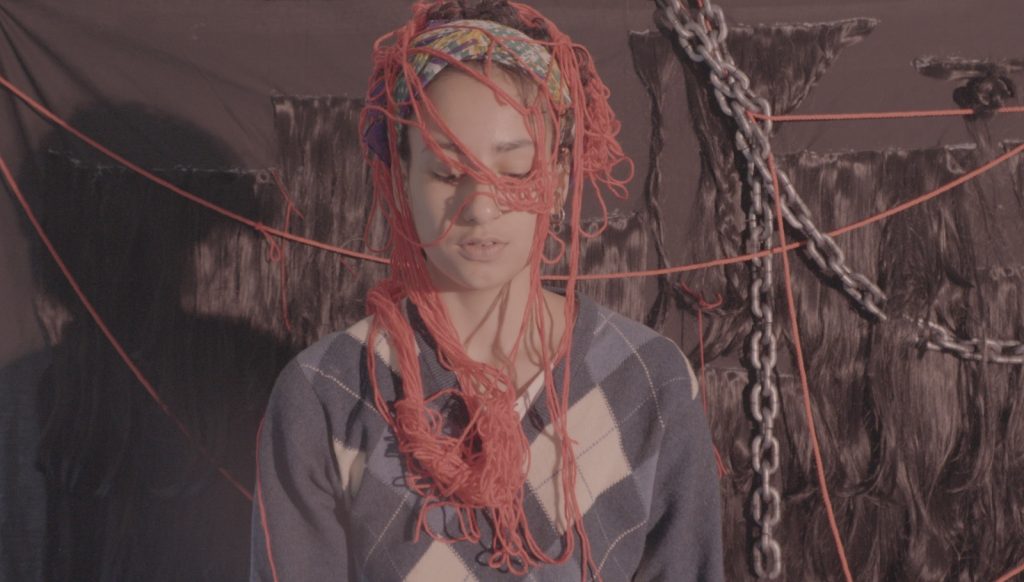
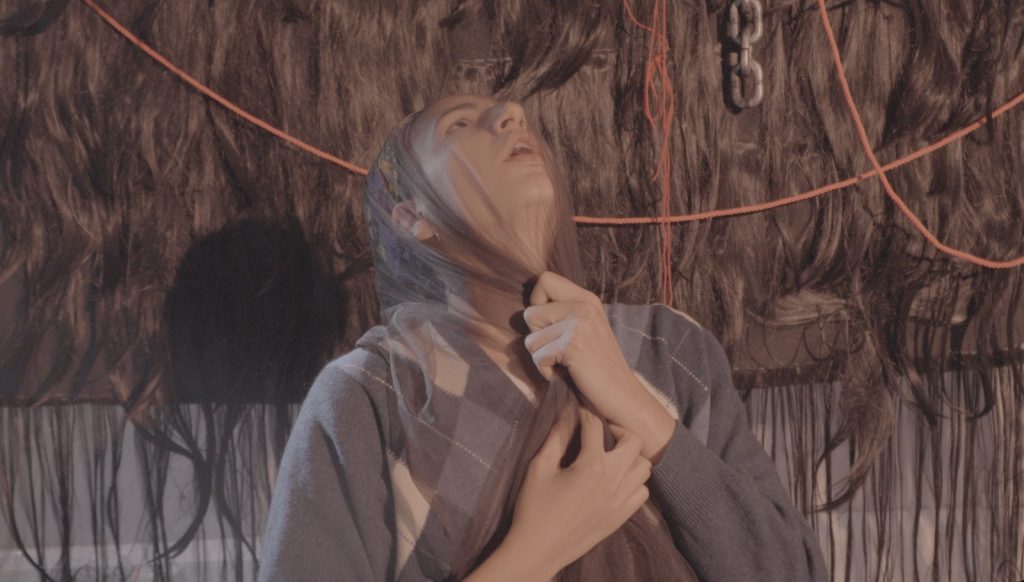
During one of my interventions, there was a moment that left a deep impression on me. After experiencing my installation, one participant had a very strong emotional reaction. In the interview that followed, she began to talk about the abuse she had suffered in her childhood. She told me that it was the first time she had ever spoken about this secret she had buried deep inside for many years. At that moment, I realized that this installation was not merely an artwork—it had become a medium of emotional activation and release, offering participants a space to confront, express, and reinterpret their own experiences.
This encounter left me with a profound sense of both awe and responsibility. On one hand, I was deeply moved by her honesty and courage—her willingness to reveal her most vulnerable memories in a completely unfamiliar setting. On the other hand, I began to rethink my own role as both an artist and a researcher. My installation was initially intended to explore women’s emotional and structural dilemmas within social systems, yet when it inadvertently touched someone’s trauma, its meaning transcended research or artistic expression—it became a vessel of real human emotion.
I started to reflect: while evoking empathy and emotional resonance, had I created a space that was truly safe for participants? How can art balance between healing and re-triggering pain? This moment redefined my understanding of “intervention.” It is not merely a social exploration or a form of creative experimentation—it is, at its core, a genuine encounter between people on a psychological and emotional level. In that fragile yet honest instant, I witnessed the true power of art as a form of social engagement.
Leave a Reply